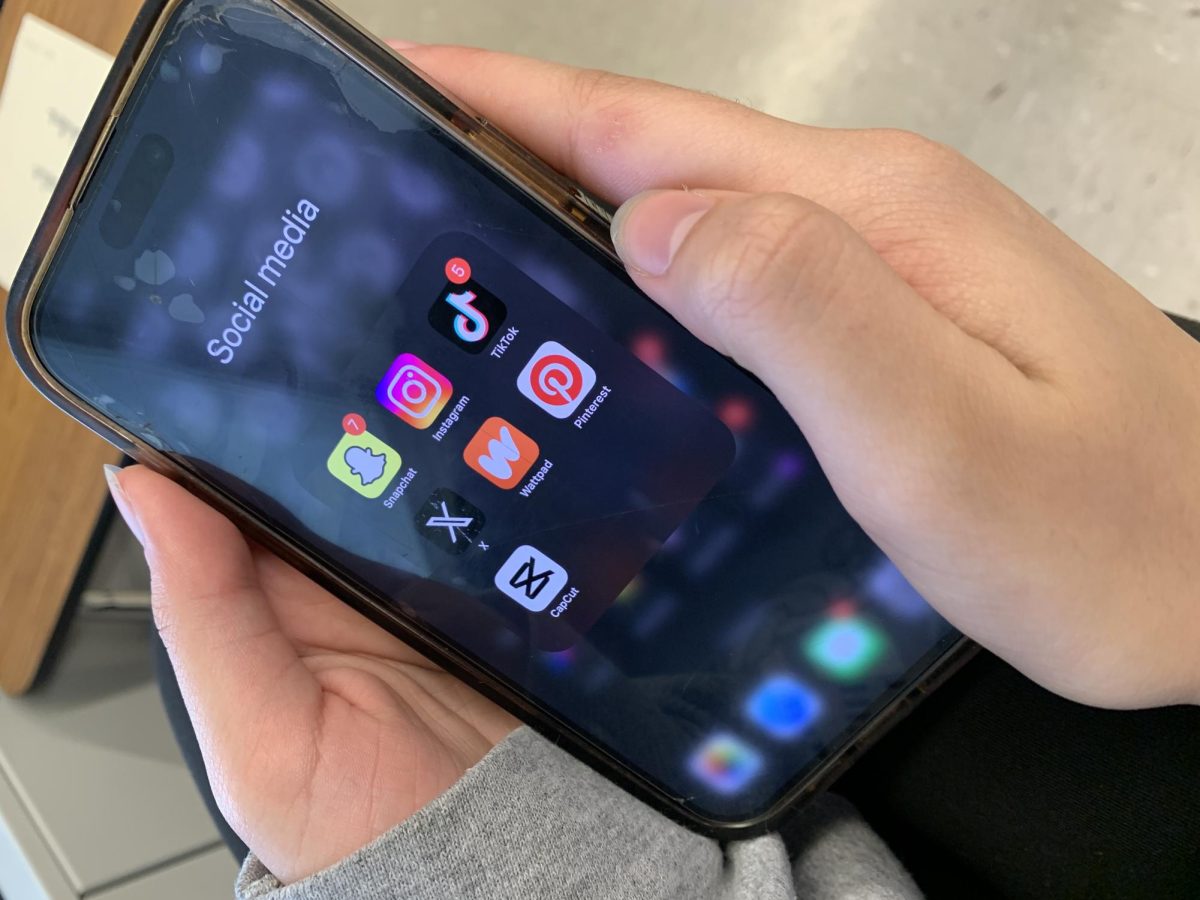
Released in January 2026, New Jersey’s statewide student cellphone ban was signed into law by Governor Phil Murphy and will take effect during the 2026–2027 school year, requiring all K–12 public schools in the state to restrict the use of cellphones and other internet-enabled devices during school hours. As part of this “bell-to-bell” policy, school districts must adopt guidelines on restricting phones not only in classrooms but also on school buses and during school-sanctioned events, with limited exceptions for emergencies or medically necessary use. The law represents a major shift in New Jersey education policy and has sparked debate among students, parents, and educators over student autonomy, safety, and classroom focus.
Background on the Law
The legislation, which builds on model policies studied by the state Commission on the Effects of Social Media Usage on Adolescents, requires the New Jersey Department of Education to issue statewide guidelines limiting non-academic cellphone use, while local boards of education must align their rules with those guidelines. Districts are expected to finalize their policies by the start of the next school year, with exemptions for emergencies, translation needs, and medically necessary access. Proponents argue the ban will reduce classroom distractions and improve learning outcomes, with early adopter districts already reporting increased focus and engagement since implementing similar restrictions.
The Controversy Around the Ban
Despite support from many educators and policymakers, the ban has stirred controversy statewide. Some parents have expressed concern about communication limitations, particularly in emergency situations and debate whether restricting phones is the best way to address academic focus. Critics also argue that technology literacy and communication are essential skills, and that total bans could hinder students’ ability to engage with learning tools or reach out when needed. Other concerns have centered on school enforcement, discipline procedures, and fairness, especially for students who use phones for health-related or accessibility reasons. Meanwhile, some students have pushed back, saying that lessons should be more engaging instead of relying on device restrictions to keep attention.
Impact on School Culture and Responsibility
Another aspect of the phone ban is how it could reshape school culture and student responsibility. Supporters believe the policy may encourage stronger face-to-face interactions, helping students build communication skills without relying on screens. Lunch periods, hallways, and free time could become more social and engaging rather than centered around phones. On the other hand, some critics argue that banning phones removes opportunities for students to learn self-discipline and appropriate technology use. Instead of teaching students how to manage distractions responsibly, the policy may place full control in the hands of schools, raising questions about whether long-term digital responsibility is truly being developed.
Teacher Perspective: Señora Gardella
At Colonia High School, Spanish teacher Señora Gardella shared her thoughts on the new law. “I completely agree with the phone ban,” Gardella said, emphasizing the impact devices can have on learning. “Children shouldn’t have phones in schools because it limits learning. If a tragedy were to happen, the parents of that child are responsible to pick them up.” Her view reflects a broader belief among some educators that minimizing digital distractions can help students focus more during instruction and foster a more attentive classroom environment.

Differing Teacher Perspective
Journalism teacher Danielle Allen has a contradicting opinion from most teachers. In all three of Allen’s Journalism classes and in her Screenwriting & Video Production class cell phones are essential tools in the learning process. With only having two DSLR cameras and two cameras with video and sound capabilities, there isn’t enough equipment for her 28 students to use to complete assignments. “With the law being passed, I’ve already put the situation on their radar or the administration. Once the district decides on their policy, then we can discuss how I can effectively run my classes without cellphone usage. It may mean they will have to get us iPads, tablets or more cameras that the students can use. I know the budget is already tight but some concession will need to be made for all of the journalism classes being taught throughout the district.
More Information on the Law
If you are still curious over the new law, you can find more information on ABC news, or Well Spring Prevention.